

THE ANIMAL SPECIES YOU MIGHT ENCOUNTER ON A WALK THROUGH THE PO DELTA
Every excursion in the Po Delta is different from the last. Simply change the season, time of day, or route to find yourself faced with ever-new scenery and encounters. Here, freshwater meets saltwater, lagoons alternate with reed beds, pine forests, woods, and beaches: a mosaic of environments that makes the Delta one of the richest places in Italy in terms of biodiversity. Whether you choose a boat trip, a bike ride, or a hike, keep your eyes peeled: nature will surprise you.
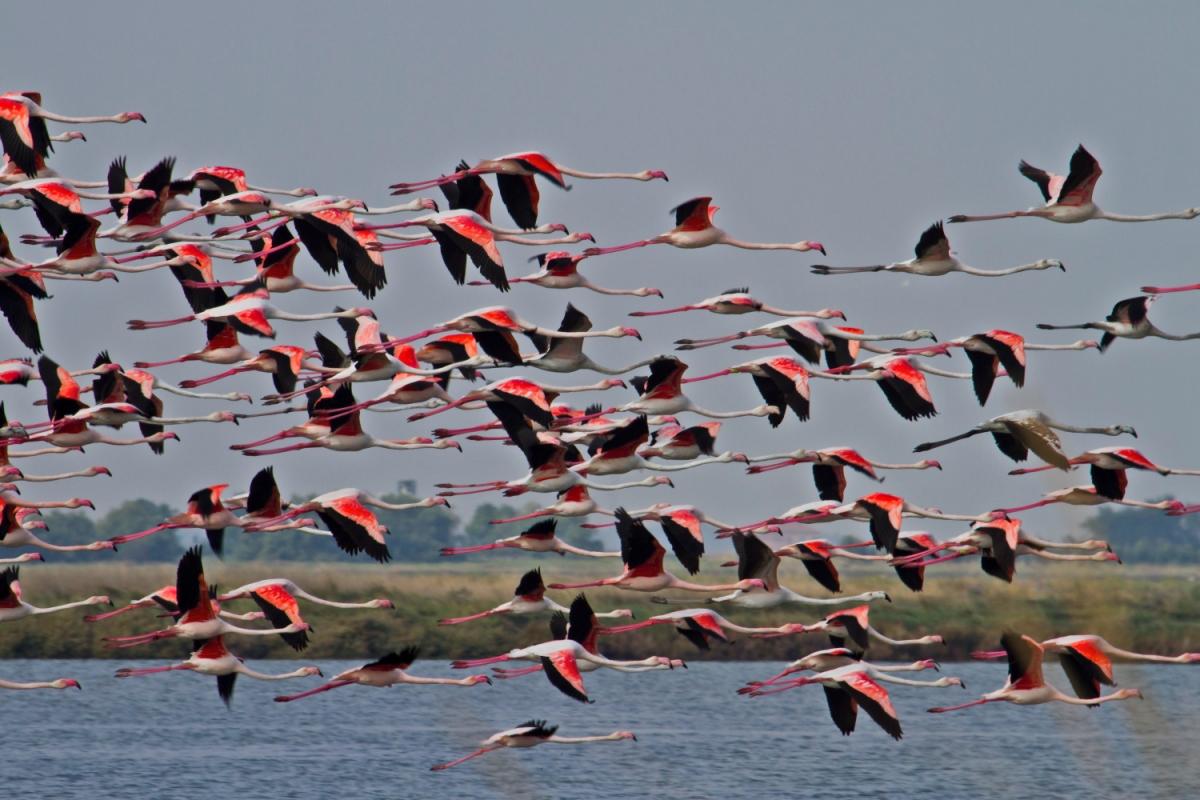
The absolute protagonists are the birds. The Po Delta is one of Europe's most popular destinations for birdwatchers, home to hundreds of species year-round. The symbol of this area is undoubtedly the greater flamingo: elegant and unmistakable, it offers an unforgettable spectacle when it gathers in large colonies in the valleys and wetlands.
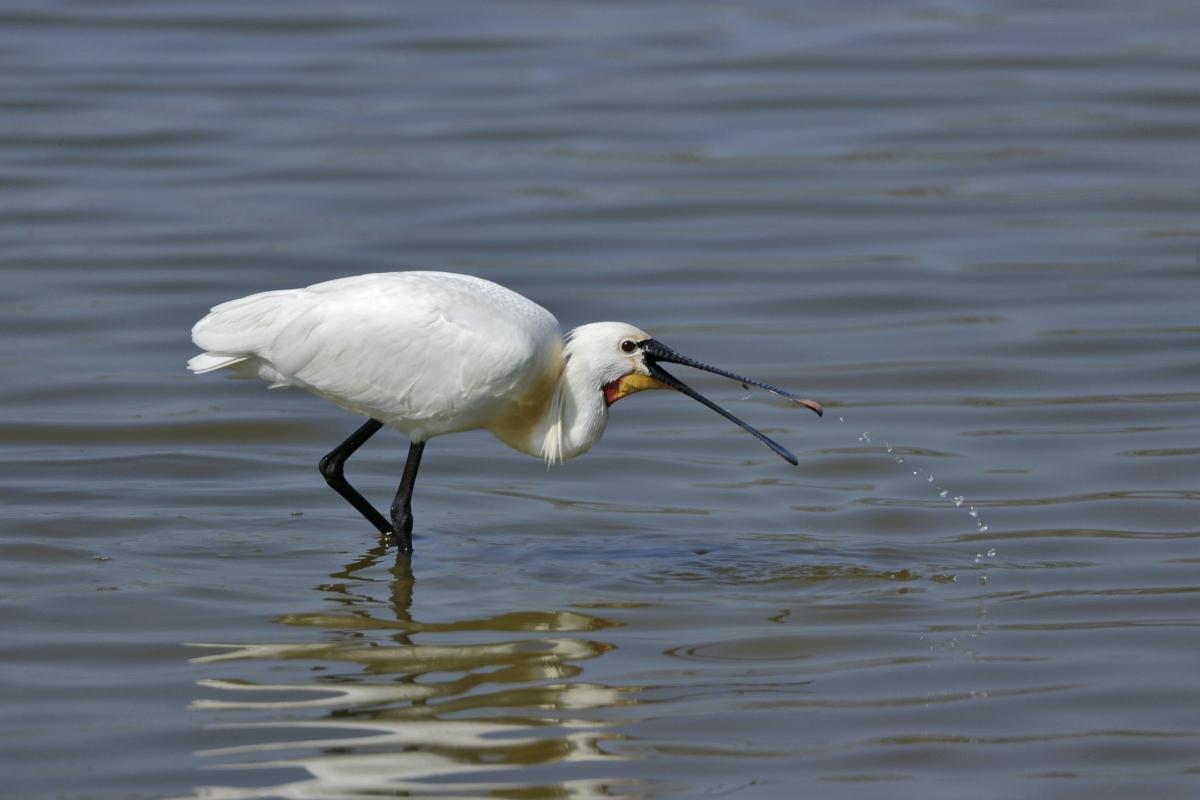
Alongside the flamingos, it's easy to spot grey herons, little egrets, great white egrets, night herons, and purple herons, often stationary along the canals awaiting prey. With a bit of luck, you might even spot the small, brightly colored kingfisher darting just inches above the water. Looking up, it's not uncommon to see birds of prey such as the marsh harrier or the kestrel soaring over the reeds.
The Delta's richness isn't limited to birds, however. Its waters are home to numerous species of fish, including eels, sea bass, gilt-head bream, grey mullet, carp, and pike. The eel, in particular, is a symbol of local tradition and speaks to the deep connection between this area and fishing, which still characterizes the Delta's culture and cuisine.
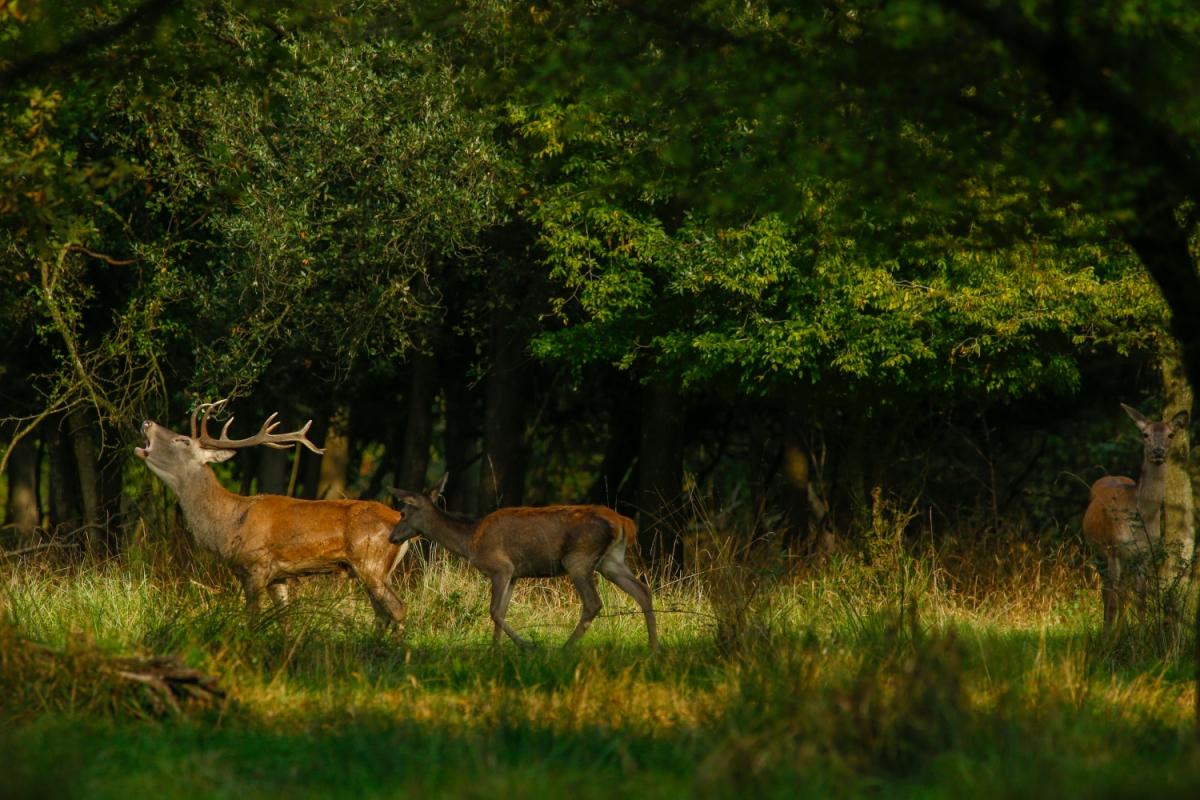
A surprising fauna also lives on the banks and in the woods. Among the more elusive animals are foxes, hares, hedgehogs, badgers, and roe deer, especially in the early morning hours or at dusk, when nature is at its most tranquil. Along the waterways, it's common to spot the coypu, now a common sight in the delta landscape. Frogs, toads, newts, and pond turtles also find refuge in the wetlands, while during spring and summer, meadows and reed beds come alive with butterflies, bees, and colorful dragonflies, tiny creatures essential to the ecosystem's balance.
Each season offers different encounters. Spring coincides with the arrival of migratory birds and the nesting of many species. Summer offers long days ideal for observing flamingos and herons, while autumn and winter transform the Delta into a refuge for thousands of birds from Northern Europe. There is no best time to visit: every moment of the year offers a different nature experience. To fully enjoy this experience, just a few simple steps are needed: walk in silence, observe the animals from afar with binoculars, follow the marked trails, and respect the natural habitats. Even better if accompanied by an environmental guide, capable of explaining the curiosities, behaviors, and characteristics of the species that populate this extraordinary territory.