


THE FISHING HUTS: A SYMBOL OF THE PO DELTA
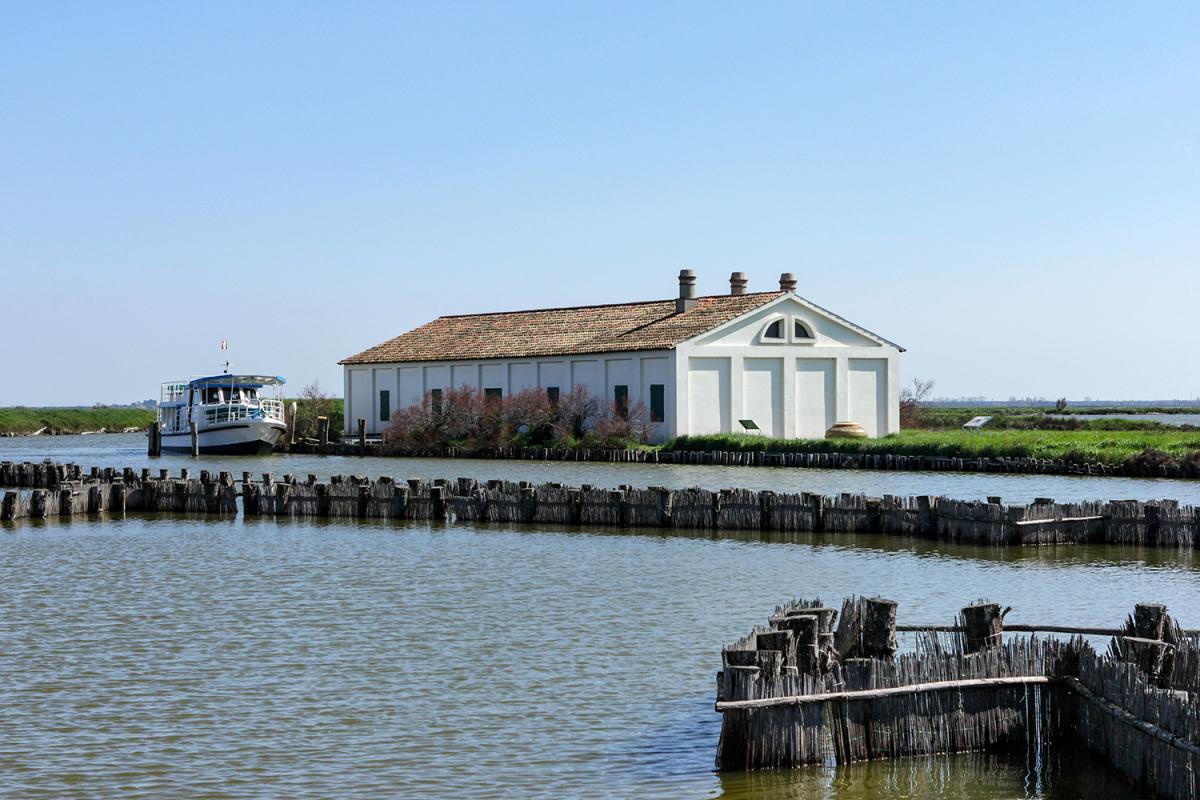
In the landscape of the Po Delta, there are structures that seem to have always belonged to this area. These are the ‘casoni’ – simple fishing huts overlooking the waters of the valleys and lagoons – born out of necessity and which, over time, have become one of the most recognisable symbols of the Delta’s culture. These structures tell the story of a way of life deeply connected to the water. For generations, the casoni have served as both workplaces and shelters for fishermen, used whilst fishing in the waterways. Their location was no accident: situated close to the water, they allowed fishermen to monitor their nets, store their equipment and spend their days following the rhythms of fishing and the seasons.
Their architecture is simple, designed to meet the needs of those living in a unique and often challenging environment. Wood, bricks and other locally available materials were used to build functional structures that blended into the landscape without disrupting its harmony. A whole system centred on fishing developed around the casoni, comprising processes, tools, techniques and knowledge passed down through the generations. One of the most fascinating aspects is precisely the relationship between these buildings and their surroundings. Seen from a distance, the casoni almost seem to blend into the valleys: they emerge from the water, the reed beds and the embankments, helping to create that image of the Delta which still characterises many photographs and travelogues today.
But the casoni are not merely relics of the past. Some have been restored and revitalised, becoming places where visitors can learn about the history of fishing and the communities that once inhabited these lands. By visiting them – particularly during a boat trip or accompanied by a guide – one can gain a better understanding of just how close the bond was between the people and the environment of the valleys. The world of the casoni is also linked to that of the fishing valleys, another characteristic feature of the Delta. Here, over the centuries, people have learnt to live alongside the water, managing its rhythms and making use of its resources whilst remaining fully attuned to its nature. Fishing, particularly eel fishing, has become an integral part of the local identity and cuisine.
Today, travelling through the valleys by boat and coming across an ancient casone is like taking a little journey back in time. All around, the landscape continues to change with the seasons: migratory birds arrive and depart, the water reflects ever-changing colours, and the silence is broken only by the wind or the calls of animals.
This is precisely what makes the fishing huts so valuable: they are not simply ancient buildings, but testaments to a culture built upon a daily relationship with the water. Preserving them means safeguarding part of the Delta’s heritage and keeping visible the link between the natural landscape and the history of the people who have lived there.
For those visiting the Po Delta, seeking out these small symbols amongst the valleys can offer a different way of getting to know the area: not only through what nature has created, but also through the traces left by those who, for centuries, have learnt to live in tune with the rhythm of the river and its waters.