

THE VALLEYS YESTERDAY AND TODAY: A JOURNEY THROUGH THE HISTORY OF THE PO DELTA
The Po Delta is a territory that has never stopped changing. Where today there are fields, canals, and villages, once dominated an immense expanse of brackish water that surrounded Comacchio and extended as far as the territories of Argenta, Ostellato, and Portomaggiore. A completely different landscape, shaped over the centuries by the encounter between the great river, the sea, and the work of man.
Beginning in the 19th century, major land reclamation projects profoundly changed the face of the Delta. Thanks to an impressive network of canals, pumping stations, and hydraulic works, thousands of hectares of marshland were drained to create new arable land. This extraordinary intervention transformed a territory considered unhealthy into one of the most productive agricultural areas in the Po Valley.
Precious vestiges of that ancient amphibious landscape remain today: wetlands that represent some of the most important ecosystems of the Po Delta Park and preserve a natural heritage of international importance.
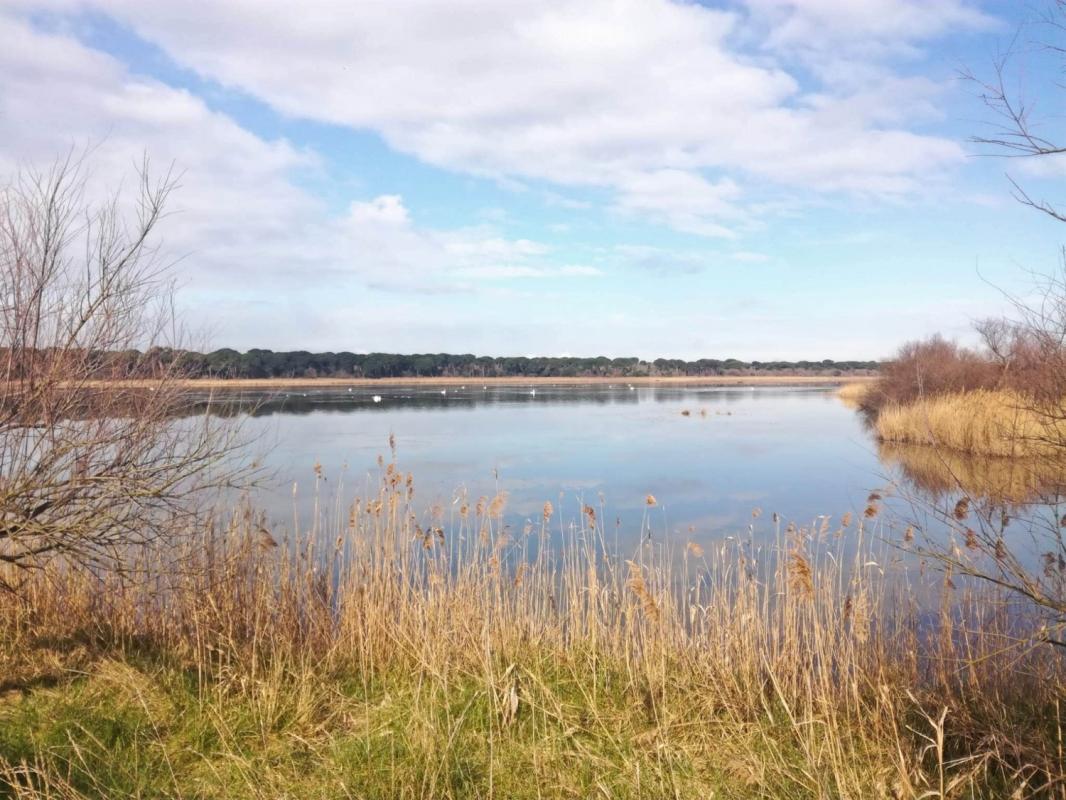
The Comacchio Valleys are the epitome of this legacy. Stretching over 11,000 hectares, they constitute one of the largest brackish wetlands in Italy. Here, ancient traditions linked to eel fishing survive, while huts, embankments, and canals tell the story of the centuries-old relationship between man and water. Not far away, the Comacchio Salt Pans, now transformed into a precious biotope, have become one of the most spectacular places to observe greater flamingos and numerous other bird species.
Adding to this fascinating environment is Boscoforte, a long peninsula that retains the appearance of an ancient sand dune. It is one of the most exclusive places in the Delta, populated by wild Camargue horses and an extraordinary variety of birdlife that attracts photographers and birdwatchers from all over Europe.
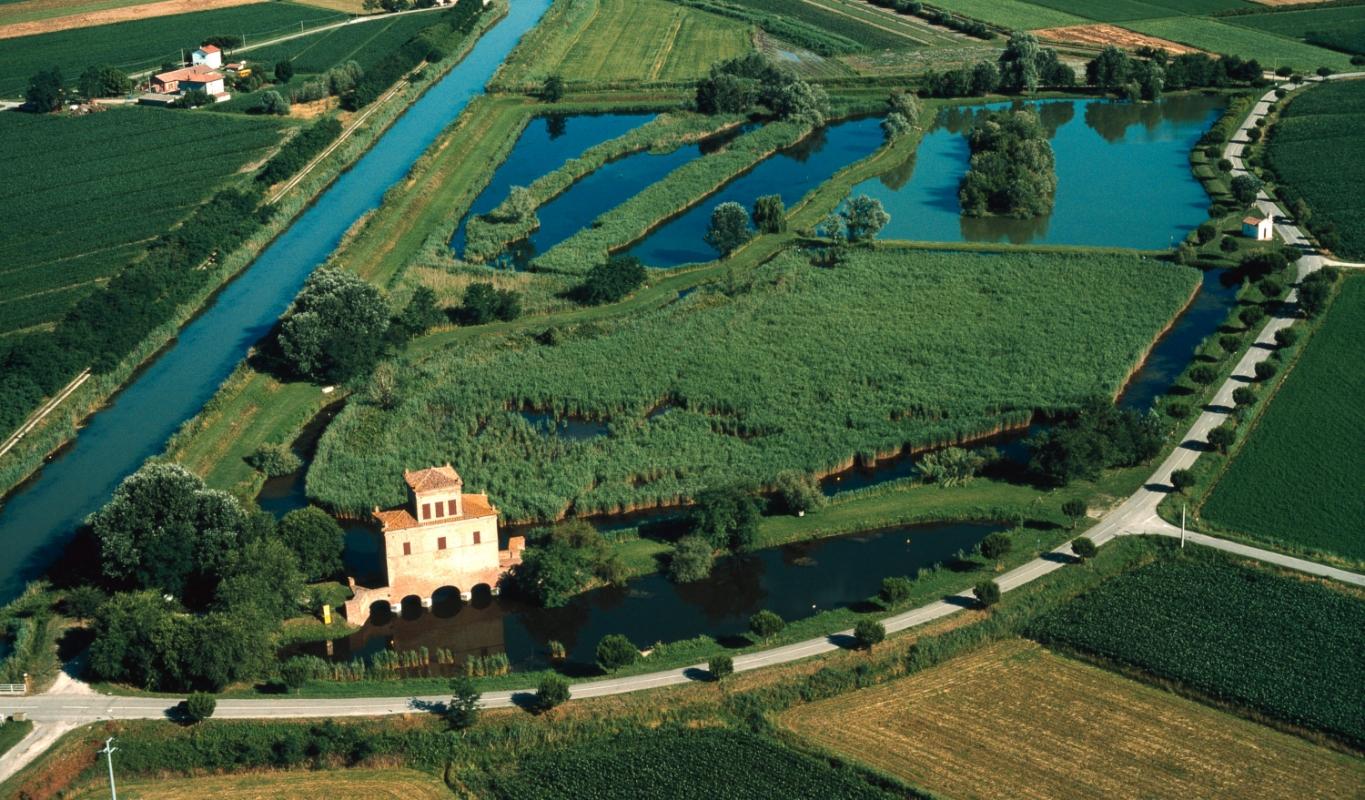
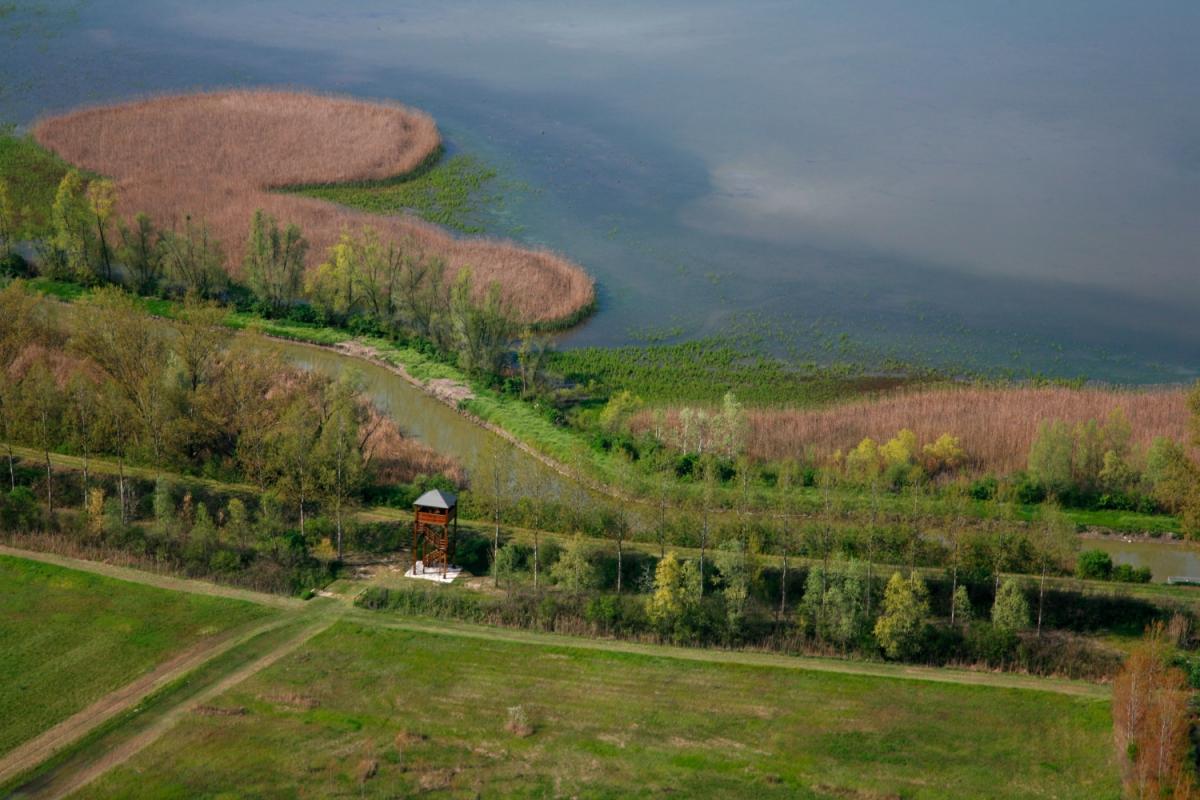
The Argenta Valleys, however, tell a different story: that of freshwater. Today, they serve an important function as floodplains for the Reno River, but at the same time represent an oasis of biodiversity, accessible on foot, by bicycle, by boat, or by electric vehicle. Trails, observation towers, and visitor centers offer a close-up look at one of the richest wildlife habitats in the area.
The Ostellato Valleys are also the result of the rebirth of an ancient valley area. Among the islets, reed beds, and bodies of water, trails nestle amidst nature, ideal for birdwatching, cycling, sport fishing, and even stargazing thanks to the area's astronomical observatory.
Anse Vallive di Porto – Bando Basin is yet another example. Created from the environmental reclamation of a former industrial area, this oasis demonstrates how nature can reclaim spaces, transforming them into precious refuges for herons, kingfishers, white storks, and numerous other species. A place where walking or cycling along the banks immerses you in an environment surprisingly rich in life.
Visiting the Po Delta Valleys today means exploring, through the landscape, the history of a constantly evolving territory. It's a journey that unites nature, memory, biodiversity, and human ingenuity, demonstrating how the great transformations of the past have given rise to one of Europe's most precious ecosystems. A heritage to be explored slowly, guided by the water, the silence, and the rhythms of nature.